Successfully preserving the vibrant colors of your Tulip tie-dye creations requires understanding proper washing techniques, ensuring longevity and maintaining the artistic integrity of your designs.
Following these guidelines will help prevent color bleeding and fading, resulting in beautifully washed tie-dye garments for years to come.
Understanding Tulip One-Step Tie Dye
Tulip One-Step Tie-Dye is renowned for its convenience and user-friendly application, making it a popular choice for crafters of all ages. Unlike traditional tie-dye methods that require separate dye, soda ash, and fixatives, Tulip One-Step combines everything into a single, easy-to-use bottle.
This all-in-one formula simplifies the process, allowing you to achieve professional-looking results without the need for extensive preparation or expertise. The dye itself is designed to bond directly with fabric fibers, creating long-lasting and vibrant colors. However, proper washing techniques are crucial to ensure the dye sets correctly and minimizes any potential for color loss or bleeding during subsequent washes.
Understanding this unique formulation is key to successful tie-dye projects.
Importance of Proper Washing Techniques
Employing correct washing techniques after tie-dyeing with Tulip One-Step is absolutely vital for preserving the intensity and longevity of your colorful creations. Incorrect washing can lead to significant color bleeding, fading, or even complete color removal, ruining your hard work.
Initial rinses and subsequent machine washes play a critical role in removing excess dye and setting the colors within the fabric. Failing to wash tie-dye items separately for the first few washes can result in dye transferring to other garments. Furthermore, using hot water or harsh detergents can strip the dye, diminishing the vibrancy of your design. Diligent adherence to recommended washing procedures is therefore essential for maintaining the beauty and quality of your tie-dye.
Initial Rinsing Process
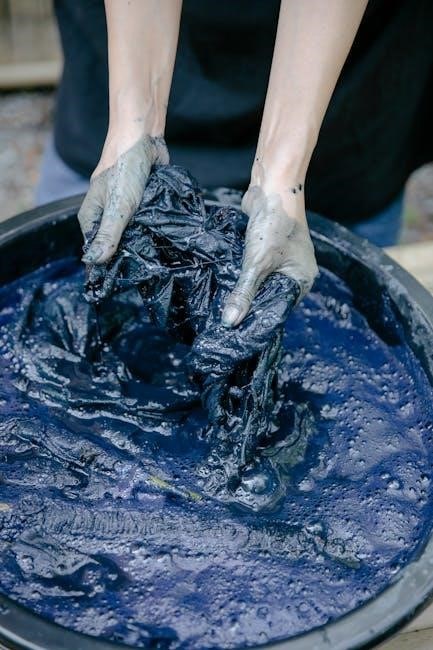
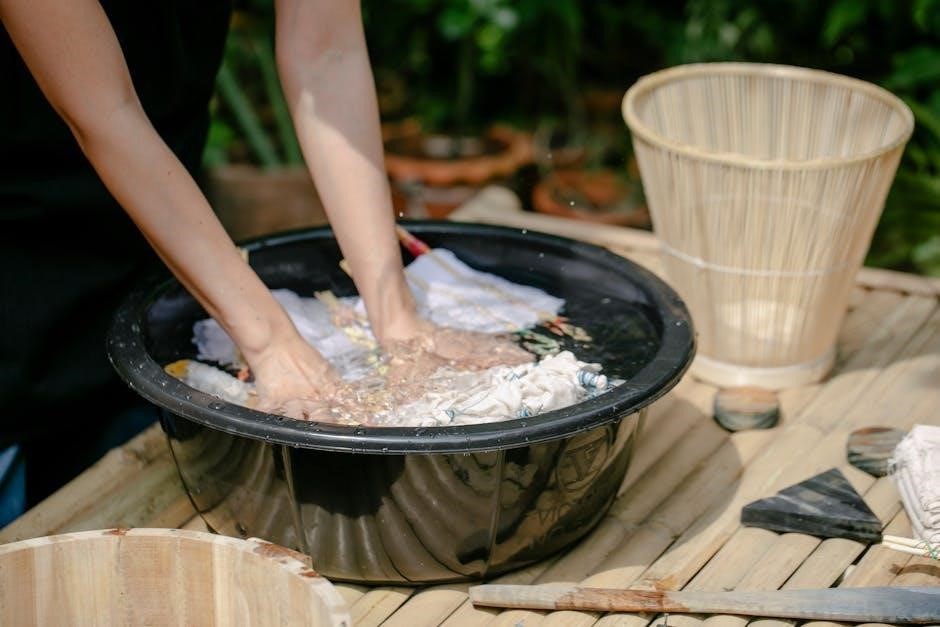
Begin rinsing your tie-dye project immediately after the recommended setting time, using cold water to remove loose dye and prevent color transfer.
Rinsing Immediately After Setting
Prompt rinsing is absolutely crucial after allowing your Tulip One-Step Tie-Dye project to set for the recommended six to eight hours, or even longer for more intense colors. Delaying this step can cause the dye to bond more strongly with the fabric, making it significantly harder to remove excess color and increasing the risk of bleeding during subsequent washes.
Start with a gentle stream of cold water, directing it at the entire garment. Avoid using hot water, as this can set the dye further. Continue rinsing until the water runs relatively clear, though a slight tint is perfectly normal at this stage. Focus on thoroughly flushing out all traces of unfixed dye, paying particular attention to areas with concentrated color.
Cold Water Rinse – The First Step
Initiating the washing process with a cold water rinse is paramount for preserving the vibrancy of your Tulip tie-dye creations. Hot water actively encourages the dye to bond permanently with the fabric fibers, leading to potential color fading and bleeding in future washes. Cold water, conversely, helps to release the unbound dye molecules, making them easier to remove during the rinsing and washing stages.
Begin by gently running cold water through the tie-dyed item, working from the inside out to effectively dislodge loose dye; Continue rinsing until the water runs clear, or at least significantly lighter in color. Don’t be alarmed if some dye remains; multiple rinses and a vinegar soak will further set the colors.
Removing Excess Dye
After the initial cold water rinse, focus on removing as much excess dye as possible before proceeding to the vinegar soak and machine washing. Persistent dye residue can contribute to color bleeding in subsequent washes, diminishing the brightness of your tie-dye. Gentle manipulation is key; avoid vigorous scrubbing or wringing, which can distort the design and damage the fabric.
Consider a second, more thorough cold water rinse, paying particular attention to areas with concentrated dye. Spinning the garment in the washing machine on a gentle cycle, without detergent, can also aid in removing residual dye. Repeat this spin cycle until the water appears relatively clear, preparing the item for the color-setting vinegar soak.
Vinegar Soak for Color Setting
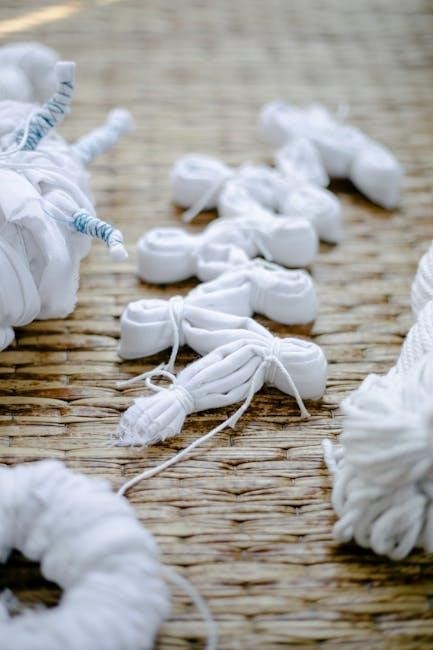
A white vinegar soak is crucial for locking in vibrant colors, preventing significant fading, and ensuring your tie-dye remains bright and beautiful.
The Role of White Vinegar
White vinegar plays a vital role in the tie-dye process, specifically in setting the dye and enhancing color fastness. It acts as a mild acid, which helps to close the dye’s pores, preventing the dye molecules from escaping during the initial washes. This process is particularly important with reactive dyes, like those found in Tulip One-Step Tie-Dye kits, as they form a chemical bond with the fabric.
Without this vinegar step, a significant amount of excess dye could leach out, resulting in faded colors and potential staining of other garments. Essentially, the vinegar helps to neutralize any remaining alkalinity from the dye, stabilizing the color and improving its resistance to washing and sunlight. It’s a simple yet effective step that significantly impacts the longevity and vibrancy of your tie-dye projects.
Vinegar to Water Ratio
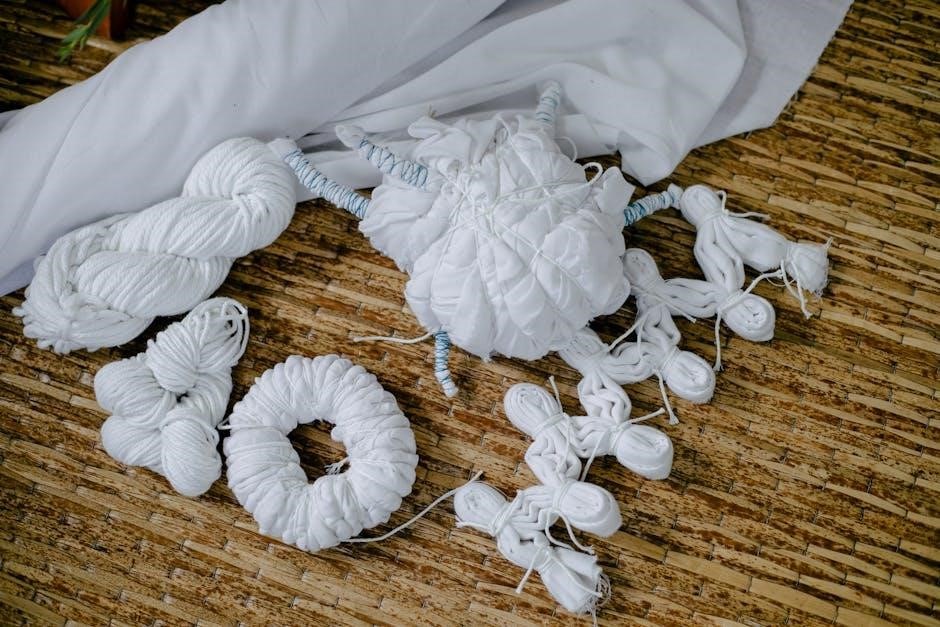
For optimal results when setting your Tulip tie-dye colors with a vinegar soak, a simple and effective ratio is equal parts white vinegar and cold water. This means if you use one gallon of water, you’ll also use one gallon of white vinegar. This concentration provides sufficient acidity to effectively close the dye bonds without potentially damaging the fabric.
While some sources suggest slightly varying ratios, starting with a one-to-one mix is a safe and reliable approach, especially for beginners. Avoid using excessive amounts of vinegar, as it could weaken the fibers over time. Ensure the garment is fully submerged in the solution for consistent treatment. Remember to always use white vinegar to prevent any unwanted color transfer to your tie-dye.
Soaking Duration (30 Minutes)
A 30-minute soak in the white vinegar and cold water solution is generally sufficient to help set the dyes in your Tulip tie-dye project. This timeframe allows the acidity of the vinegar to effectively bind with the dye molecules, enhancing color fastness. However, for particularly vibrant or deeply saturated colors, you can extend the soaking duration up to an hour without causing harm to the fabric.
It’s important to avoid significantly longer soaks, as prolonged exposure to vinegar could potentially weaken the fibers. After the soak, gently squeeze out the excess liquid – do not rinse at this stage. Proceed directly to the washing machine cycle with cold water to continue the color-setting process and remove any remaining dye.
Washing Machine Procedures
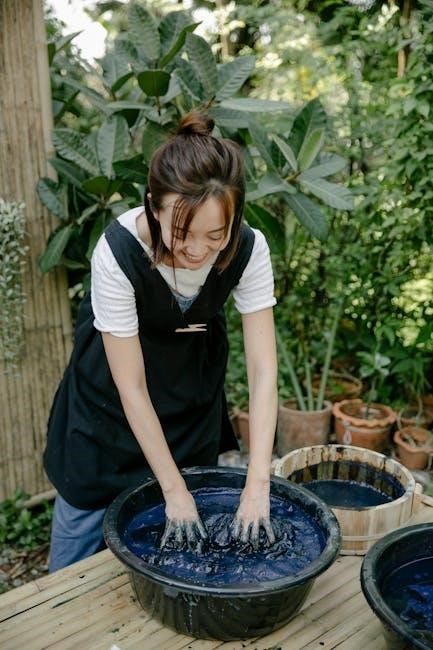
Utilize a washing machine for subsequent cleaning, always washing tie-dye items separately during the initial washes to prevent color transfer.
Washing Separately for First Few Washes
Initially, it is crucially important to wash your newly tie-dyed items completely alone, avoiding any contact with other garments. This practice is essential because significant amounts of excess dye can still be present in the fabric, even after the initial rinsing and vinegar soak. Washing with other clothes risks staining them with residual dye, potentially ruining your other items.
Continue this separate washing routine for the first three to five washes, or until you notice the water runs completely clear after washing. This indicates that most of the loose dye has been removed. Be patient during this period; it’s a vital step in securing the colors and protecting your wardrobe.
Cold Water Wash – Maintaining Vibrancy
Always utilize cold water when washing your Tulip tie-dye items to effectively preserve the intensity of the colors. Hot water can cause the dye molecules to break down and release, leading to significant fading and color bleeding. Cold water helps to lock in the dye, keeping your designs looking bright and vibrant for a longer period;
Even after the initial washes, continue to prioritize cold water for every subsequent wash. This simple step makes a substantial difference in maintaining the longevity of your tie-dye. Remember, consistent use of cold water is key to preventing premature fading and ensuring your creations remain visually striking.
Gentle Cycle Recommendation
Selecting the gentle cycle on your washing machine is crucial for protecting the integrity of your Tulip tie-dye garments. This cycle utilizes a slower agitation speed, minimizing the friction that can cause the dye to break down and fade. Aggressive wash cycles can damage the fibers of the fabric and contribute to color loss.
Opting for a gentle cycle ensures a more delicate cleaning process, preserving the vibrant colors and intricate patterns of your tie-dye. Combine this with cold water washing for optimal results. Avoid using harsh detergents or bleach, as these can strip the dye and damage the fabric. Prioritize a mild detergent specifically designed for delicate fabrics.
Drying Techniques
Air drying is preferred to maintain color vibrancy, but low heat in a dryer is acceptable; avoid direct sunlight to prevent fading.
Air Drying – Preferred Method
When it comes to drying your newly tie-dyed creations, air drying consistently ranks as the most recommended method for preserving the intensity of the colors. This gentle approach minimizes the risk of fading or color distortion that can sometimes occur with machine drying, even on low heat settings.
To air dry effectively, simply lay the item flat on a clean, dry surface, such as a drying rack or a towel-covered table. Alternatively, you can hang it on a plastic hanger, ensuring it’s supported to prevent stretching. Avoid direct exposure to strong sunlight, as UV rays can cause colors to fade over time. A shaded, well-ventilated area is ideal.
Allow ample time for the garment to completely dry, as this can take several hours or even overnight, depending on the fabric type and humidity levels.
Tumble Drying – Low Heat Setting
If you prefer to use a tumble dryer, it’s crucial to exercise caution to safeguard your tie-dye’s vibrant colors. Always opt for the lowest heat setting available on your machine. High temperatures can cause significant fading and may even damage the fabric.
Before placing the item in the dryer, ensure it’s mostly dry, perhaps after an initial air-drying period or a gentle spin cycle in the washing machine. This will reduce the drying time and minimize heat exposure. Consider using dryer sheets designed for color protection, although their effectiveness can vary.
Regularly check the garment during the drying cycle to prevent over-drying, which can also contribute to fading. Removing it while it’s slightly damp and allowing it to finish air-drying is a safe practice.
Avoiding Direct Sunlight
Direct sunlight is a major enemy of tie-dye, capable of causing rapid fading and color alteration. The ultraviolet (UV) rays break down the dye molecules, leading to a washed-out appearance. Therefore, it’s essential to avoid drying your tie-dye items directly in the sun.
When air-drying, choose a shaded area, such as under a covered patio, inside a well-ventilated room, or hanging the garment on a clothesline in the shade. Even drying indoors near a sunny window can pose a risk, so opt for a location away from direct light.
If you must dry outside, turn the item inside out to minimize sun exposure to the colored areas. Remember, protecting your tie-dye from the sun is a simple yet effective way to preserve its vibrancy for longer.
Troubleshooting Common Issues
Addressing color bleeding, fading, or dye residue requires quick solutions; separate washes and vinegar soaks often resolve these concerns effectively.
Color Bleeding Prevention
Preventing color bleeding is crucial for maintaining the integrity of your tie-dye project and protecting other garments. Always wash newly tie-dyed items separately for the first several washes – ideally, three to five times. This initial isolation prevents excess dye from transferring to other clothing.
Utilizing cold water is paramount; hot water encourages dye release. A thorough vinegar soak, as previously mentioned, significantly aids in setting the dye and reducing bleeding. Consider adding a color catcher sheet to the wash, especially during the early washes, to absorb any escaping dye.
Even after multiple washes, avoid washing brightly colored tie-dye with light-colored items, particularly whites, to minimize the risk of staining. Proactive measures ensure your tie-dye remains vibrant and doesn’t compromise other laundry.
Fading Concerns and Solutions
Fading is a common concern with tie-dye, but several steps can minimize color loss. Consistent use of cold water during washing is essential, as heat accelerates dye breakdown. Avoid harsh detergents; opt for mild, color-safe formulas specifically designed for delicate fabrics.
Direct sunlight can also contribute to fading, so always air dry tie-dye items inside or in a shaded area. If using a dryer, employ the lowest heat setting. Occasionally, colors may appear less vibrant over time.
To “re-energize” colors, a short soak in a solution of cold water and a small amount of white vinegar can help re-set the dye. Remember, preventative care – cold water, gentle detergent, and shade drying – is the most effective strategy against fading.
Addressing Dye Residue
Despite thorough rinsing, some dye residue may remain in the fabric, particularly after the initial washes. This is normal and typically diminishes with subsequent laundering. However, to expedite the process, consider adding a cup of white vinegar to the washing machine during the first few cycles.
Vinegar acts as a mild acid, helping to release any lingering dye molecules. Inspect the water after washing; if it still appears colored, repeat the process. Avoid using hot water, as it can set the residue further.
For stubborn stains, a paste of baking soda and water can be applied directly to the affected area, gently rubbed, and then rinsed. Always test any cleaning solution on an inconspicuous area first.
Long-Term Care & Maintenance
To preserve vibrant colors, wash tie-dye items separately in cold water, using a gentle cycle, and store them away from direct sunlight.
Washing Instructions for Continued Use
Maintaining the brilliance of your Tulip tie-dye projects extends far beyond the initial washes; consistent care is essential. Always wash tie-dye garments inside out to protect the dye from abrasion during the washing process. Continue to wash new tie-dye items separately for the first several washes – typically three to five – to prevent any potential color transfer to other clothing.
Utilize cold water exclusively, as hot water can cause the dye to fade or bleed. A mild detergent is recommended; avoid harsh chemicals or bleach, as these can damage the fabric and diminish the colors. A gentle cycle on your washing machine is ideal, minimizing agitation and preserving the integrity of the tie-dye pattern.
Remember, consistent adherence to these washing instructions will ensure your tie-dye creations remain vibrant and beautiful for years to come.
Storing Tie-Dye Items
Proper storage is crucial for maintaining the vibrancy of your Tulip tie-dye creations when not in use. To prevent fading, avoid storing tie-dye items in direct sunlight or under bright artificial light for extended periods. Dark, cool, and dry places are ideal for long-term storage, protecting the dye from degradation.
Fold tie-dye garments loosely rather than tightly folding them, as creases can potentially cause uneven color distribution over time. Alternatively, hanging tie-dye items on padded hangers can help preserve their shape and prevent creasing.
Consider storing similar colors together to minimize the risk of color transfer, especially with newly dyed items. Following these simple storage guidelines will ensure your tie-dye pieces remain beautiful and colorful for years to come.
Re-energizing Colors (If Needed)
Over time, even with diligent care, tie-dye colors may begin to fade. If you notice a loss of vibrancy, you can attempt to re-energize the colors with a gentle re-soak. Prepare a solution of cold water and a small amount of white vinegar – about one cup of vinegar per gallon of water.
Submerge the tie-dye item in the solution and allow it to soak for approximately 30 minutes. This helps to reset the dye molecules and restore some of the original intensity. After soaking, rinse the item thoroughly with cold water.
Avoid using harsh detergents or bleach, as these can further fade the colors. Remember that this process may not fully restore the original vibrancy, but it can significantly improve the appearance of faded tie-dye.