Pickleball Paddle Weight Guide: A Comprehensive Overview (Updated 12/22/2025)
Pickleball’s surging popularity demands understanding paddle weight; this guide, updated today, 12/22/2025, explores how weight impacts power, control, and overall gameplay for all skill levels.
Understanding Pickleball Paddle Weight
Pickleball paddle weight, measured in ounces (oz), significantly influences a player’s experience and performance on the court. It’s not simply about having a heavy or light paddle, but understanding how weight interacts with swing speed, power generation, and control.
USA Pickleball regulates paddle weight, ensuring fair play, but the optimal weight is subjective and depends on individual preferences and playing style. A paddle’s weight isn’t its only defining characteristic; swing weight, which considers weight distribution, is often more crucial.
Factors like core material (polymer, honeycomb) and surface material (graphite, composite) contribute to the overall weight. Grip size also plays a role, affecting balance and how the paddle feels during swings. Choosing the right weight is a key step in maximizing your potential.
Why Paddle Weight Matters
Paddle weight directly impacts several critical aspects of pickleball gameplay. Heavier paddles (8.0 oz+) generally offer more power, allowing players to drive the ball with greater force and cover more court. However, this power comes at the cost of maneuverability and reaction time.
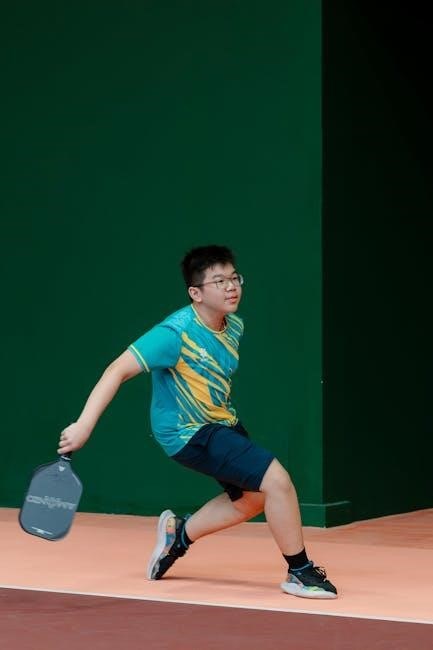
Lighter paddles (under 7.0 oz) excel in control and quick reflexes, enabling faster hand speed at the net and precise dinking. They require more finesse but are less fatiguing during extended rallies.
Ultimately, paddle weight influences your ability to generate spin, block shots effectively, and adapt to varying game situations. Selecting a weight aligned with your strengths and weaknesses is vital for consistent performance.
The Impact of Weight on Gameplay
Paddle weight profoundly affects your pickleball strategy. A heavier paddle boosts power for aggressive baseline play and put-away shots, but can hinder quick net reactions. Conversely, a lighter paddle enhances dinking precision and volley speed, ideal for a net-focused game.
Weight influences swing speed; lighter paddles allow faster swings, while heavier ones demand more strength. This impacts your ability to generate spin and control ball placement.
Fatigue is also a factor – heavier paddles can tire your arm quicker during long matches. Choosing the right weight optimizes your stamina and allows consistent performance throughout the game.
Standard Pickleball Paddle Weight Ranges
Pickleball paddles generally fall between 7.0 and 9.0 ounces, with USA Pickleball regulations ensuring fair play and consistent standards for all competitive matches.
USA Pickleball Weight Regulations
USA Pickleball, the governing body, meticulously defines paddle specifications to maintain fairness and consistency across all levels of play. Crucially, the official rulebook dictates that a legal pickleball paddle must not exceed a total weight of 24 ounces, including the paddle face and grip.
However, the vast majority of paddles used by players fall comfortably within the 7.0 to 9.0 ounce range. These regulations aren’t merely arbitrary; they directly influence gameplay, ensuring that no player gains an undue advantage through excessively heavy equipment. The rulebook, updated annually, reflects ongoing revisions and clarifications, solidifying USA Pickleball’s commitment to a standardized and equitable sporting experience. Adherence to these guidelines is paramount for sanctioned tournaments and competitive events.
Lightweight Paddles (Under 7.0 oz)
Lightweight pickleball paddles, weighing less than 7.0 ounces, prioritize maneuverability and quick hand speed. These are exceptionally popular among beginner players and those with slower swing speeds, as they require less effort to control and generate paddle movement.
The reduced weight allows for faster reaction times at the net and easier volleying. However, this comes at a trade-off: lightweight paddles generally offer less power, demanding more precise contact to achieve depth and pace. They are ideal for players focusing on dinking, blocking, and strategic placement rather than aggressive drives. Consider these if control and finesse are your primary goals.
Mid-Weight Paddles (7.0 ─ 8.0 oz)
Mid-weight pickleball paddles, falling within the 7.0 to 8.0 ounce range, represent a versatile balance between power and control. These are often favored by intermediate players who are developing their game and seeking a paddle that can adapt to various playstyles. They offer a sweet spot where maneuverability remains good, but sufficient weight is present to generate respectable power on drives and resets.
This category provides a comfortable transition for players moving from lightweight options, allowing for increased hitting depth without sacrificing too much quickness. Mid-weight paddles are excellent all-around choices, suitable for both singles and doubles play, and accommodate a blend of dinking, volleying, and power shots.
Heavyweight Paddles (8.0 ─ 9.0 oz+)
Heavyweight pickleball paddles, exceeding 8.0 ounces and often reaching 9.0+ ounces, are designed for players prioritizing power and stability. These paddles offer significant momentum, enabling aggressive drives, powerful resets, and the ability to handle fast-paced exchanges. Typically favored by advanced players with well-developed technique, they demand more strength and stamina to wield effectively.
The increased weight contributes to a higher swing weight, translating to greater ball speed and penetrating shots. While maneuverability is reduced compared to lighter options, the added stability minimizes twisting on off-center hits. Heavyweight paddles excel in situations requiring forceful shots and confident net play.

Factors Influencing Paddle Weight Perception
Paddle weight isn’t solely about ounces; material, core composition, and grip size significantly alter how heavy a paddle feels during gameplay and swings.
Paddle Material and Weight
Paddle materials profoundly influence weight. Traditional paddles utilized wood, offering affordability but heavier weight and less power. Modern paddles increasingly employ composite materials like graphite, carbon fiber, and fiberglass, striking a balance between weight and performance.
Graphite is lightweight, enhancing maneuverability and control, but can be less durable. Carbon fiber provides exceptional strength and stiffness, often resulting in a slightly heavier paddle with increased power. Fiberglass offers a softer feel and good control, typically falling in the mid-weight range.
Polymer cores, often combined with a graphite or carbon fiber face, contribute to weight reduction while maintaining responsiveness. The specific blend of materials dictates the overall paddle weight and its impact on your game.

Core Material and Weight Contribution
The pickleball paddle core significantly impacts overall weight and performance characteristics. Common core materials include aluminum, polymer (polypropylene or polyethylene), and Nomex honeycomb. Aluminum cores, while durable, are heavier and less forgiving.
Polymer cores are the most prevalent, offering a lightweight solution that absorbs shock and provides a larger sweet spot. Polypropylene is softer, enhancing control, while polyethylene is firmer, boosting power. Nomex honeycomb cores are exceptionally lightweight, maximizing maneuverability and feel.
Core density and thickness also contribute to weight; denser cores offer more power but add weight, while thicker cores increase the sweet spot but can make the paddle feel heavier.
Grip Size and its Effect on Balance
Grip size, often overlooked, profoundly influences a pickleball paddle’s balance and feel. A grip that’s too small forces a tighter hold, leading to forearm fatigue and reduced wrist action. Conversely, an oversized grip diminishes control and can alter the paddle’s balance point.
Larger grips effectively add weight to the handle, shifting the balance towards the hand – creating a more handle-heavy feel. This can enhance maneuverability but potentially reduce power. Smaller grips contribute to a more head-heavy balance, favoring power but potentially sacrificing control.
Finding the correct grip size ensures optimal comfort, control, and balance, maximizing performance.
Swing Weight vs. Static Weight
Swing weight, unlike static weight, reveals how a pickleball paddle feels in motion, factoring in weight distribution and impacting power and maneuverability significantly.
What is Swing Weight?
Swing weight is a crucial measurement in pickleball, representing a paddle’s resistance to being swung – essentially, how “heavy” it feels during actual play. It’s not simply the static weight listed on the paddle itself. Instead, it considers both the paddle’s total weight and how that weight is distributed across its length.
A higher swing weight indicates the paddle requires more effort to swing, but offers greater power and stability upon contact. Conversely, a lower swing weight makes the paddle easier to maneuver, enhancing quick reactions at the net and providing superior control. Understanding swing weight is paramount for players seeking to optimize their performance and find a paddle that complements their playing style.
Why Swing Weight is More Important
While static weight provides a basic understanding of a paddle’s heaviness, swing weight is demonstrably more impactful on gameplay. Static weight doesn’t account for weight distribution, which significantly alters how a paddle feels in motion. A paddle with a head-heavy balance will have a higher swing weight than one with an even balance, even if their static weights are identical.
Swing weight directly influences a player’s ability to generate power, control shots, and react quickly. It dictates the effort required for each swing and impacts the stability during contact. Therefore, prioritizing swing weight over static weight is essential when selecting a pickleball paddle.
Calculating and Understanding Swing Weight
Unfortunately, a precise, DIY calculation of swing weight is complex, requiring specialized tools and formulas. However, manufacturers often provide swing weight specifications, typically measured in “swing weight units.” A higher number indicates a greater resistance to swinging, translating to more power potential.
Understanding swing weight involves recognizing its correlation to feel. A lower swing weight (around 80-90) feels lighter and more maneuverable, ideal for quick reactions at the net. Higher swing weights (90+) offer stability and power, beneficial for baseline play. Consider your playstyle when interpreting these values.

Paddle Weight and Player Skill Level
Paddle weight preferences evolve with skill; beginners benefit from lighter paddles for control, while advanced players often leverage heavier paddles for power and stability.
Beginner Players and Paddle Weight
For novice pickleball players, selecting a lighter paddle – generally under 7.0 ounces – is highly recommended. These paddles prioritize maneuverability and control, crucial elements for developing fundamental techniques like dinking and volleying. A lighter paddle requires less strength to swing effectively, reducing fatigue and allowing beginners to focus on form and consistency.
The ease of generating paddle speed with a lighter weight also aids in getting the ball over the net consistently. While power is important, beginners should initially concentrate on placement and accuracy. Heavier paddles can be unwieldy and hinder the learning process, potentially leading to frustration. Gradually increasing weight as skills improve is a sensible approach.
Intermediate Players and Paddle Weight
Intermediate pickleball players, having established basic technique, can experiment with mid-weight paddles (7.0 – 8.0 oz). This range offers a balance between control and power, allowing for more aggressive shots while still maintaining accuracy. Players at this level are typically starting to incorporate spin and directional control into their game, benefiting from a paddle that responds well to varied swing speeds.
Exploring different core materials and paddle shapes becomes valuable. A slightly heavier paddle can assist in generating more power on drives and resets, but shouldn’t compromise maneuverability. Consider swing weight alongside static weight; a paddle feeling balanced is key.
Advanced Players and Paddle Weight
Advanced pickleball players generally gravitate towards paddles in the 7.5 – 9.0+ oz range, often prioritizing swing weight over static weight. These players possess refined technique and rely on precise shot-making, utilizing paddle weight to generate power and control. They understand how weight distribution – head-heavy, even-balance, or handle-heavy – impacts their game.
Experimentation is crucial; advanced players often own multiple paddles tailored to specific playing styles or court conditions. They analyze paddle specifications, including core material and grip size, to optimize performance. A heavier paddle can enhance stability during aggressive swings, while a lighter paddle aids in quick reflexes.

Choosing the Right Paddle Weight for Your Playstyle
Selecting a pickleball paddle weight hinges on your individual playstyle: power players favor heavier paddles, control players lighter ones, and all-around players a balance;
Power Players and Paddle Weight
Power players, those who thrive on aggressive shots and dominating the net, generally benefit from heavier pickleball paddles, typically ranging from 8.0 to 9.0 oz or even higher. The increased weight provides more momentum during swings, translating into greater ball speed and depth. This allows for more forceful drives, put-aways, and the ability to dictate play.
However, it’s crucial to balance weight with maneuverability. An excessively heavy paddle can hinder quick reactions at the net or fatigue during extended rallies. Swing weight, which considers weight distribution, is particularly important for power players; a higher swing weight maximizes power potential. Ultimately, the ideal weight depends on individual strength and technique, but a heavier paddle is often a cornerstone of a power-focused game.
Control Players and Paddle Weight
Control players, prioritizing precision, placement, and dinking, often favor lighter pickleball paddles, typically falling within the 7.0 to 8.0 oz range, or even below 7.0 oz. A lighter paddle enhances maneuverability, allowing for quicker wrist action and more delicate touch at the net. This facilitates soft drops, precise angle shots, and consistent dinking exchanges.
While sacrificing some raw power, the increased control allows players to strategically construct points and exploit opponents’ weaknesses. Swing weight is also key; a lower swing weight promotes faster hand speed and greater finesse. Control players should prioritize a paddle that feels an extension of their arm, enabling subtle adjustments and pinpoint accuracy.
All-Around Players and Paddle Weight
All-around pickleball players, seeking a balance between power and control, generally gravitate towards mid-weight paddles, typically within the 7.0 to 8.0 oz range. This weight provides a versatile platform for both aggressive drives and softer touch shots. They benefit from a paddle that doesn’t overly compromise either aspect of their game.
Swing weight becomes crucial; a moderate swing weight allows for sufficient power generation while still maintaining adequate maneuverability for net play and dinking. These players often experiment to find the sweet spot where they can comfortably transition between offensive and defensive strategies. Finding a paddle that feels balanced is key for adaptable gameplay.
Comparing Pickleball Paddles by Weight
Comparing pickleball paddles requires analyzing specifications, utilizing online tools, and crucially, considering swing weight alongside static weight for optimal performance.
Using Online Comparison Tools
Online comparison tools are invaluable resources for pickleball enthusiasts seeking the perfect paddle. These platforms allow users to filter paddles based on crucial specifications like weight, core material, grip size, and even swing weight – a metric often overlooked but vital for performance.
Many sites offer side-by-side comparisons, presenting data in an easily digestible format. You can quickly identify paddles within your desired weight range and then delve deeper into other features. Some tools even incorporate user reviews, providing real-world insights into how a paddle performs.
Remember to utilize multiple tools to gain a comprehensive overview, as data accuracy can vary. Prioritize tools that offer detailed specifications and user feedback to make an informed decision.
Analyzing Paddle Specifications
Paddle specifications are key to finding the right fit; don’t solely focus on static weight. Examine the listed weight range – manufacturers often provide a tolerance. Core material significantly influences feel; polymer cores are lighter, while graphite or carbon fiber add weight and power.
Handle length and grip size impact comfort and control, indirectly affecting perceived weight. Pay attention to paddle shape; wider paddles generally offer a larger sweet spot but can feel heavier. Crucially, seek out swing weight data when available, as it reflects how the paddle feels in motion.
Understanding these specifications allows you to move beyond simple weight numbers and assess a paddle’s overall balance and playability.
Considering Swing Weight in Comparisons
When comparing pickleball paddles, prioritize swing weight over static weight; it’s a more accurate indicator of how a paddle will perform during play. A higher swing weight translates to more power and stability, beneficial for aggressive players. Conversely, a lower swing weight enhances maneuverability and control, suiting a finesse style.
Remember that swing weight is affected by weight distribution, not just total weight. Two paddles with the same static weight can feel drastically different due to balance. Utilize online comparison tools that include swing weight data for informed decisions.
Ultimately, swing weight helps predict a paddle’s feel and performance.
The Role of Paddle Balance in Weight Distribution
Paddle balance – head-heavy, even, or handle-heavy – significantly alters weight distribution, impacting swing speed, power, and control during pickleball gameplay.
Head-Heavy Paddles
Head-heavy pickleball paddles concentrate most of their weight towards the paddle’s face. This design inherently boosts power generation during swings, as the increased weight at the hitting zone translates to greater momentum and ball speed. However, this power comes with a trade-off: reduced maneuverability.

Players may find head-heavy paddles slightly slower to swing and more challenging to control, particularly during quick reactions at the net. They are often favored by players who prioritize aggressive, power-based gameplay and seek to dictate rallies with forceful shots. The increased weight in the head also provides stability, helping to absorb pace from incoming balls.
Choosing a head-heavy paddle requires a degree of physical strength and a well-developed swing technique to effectively harness its power potential.
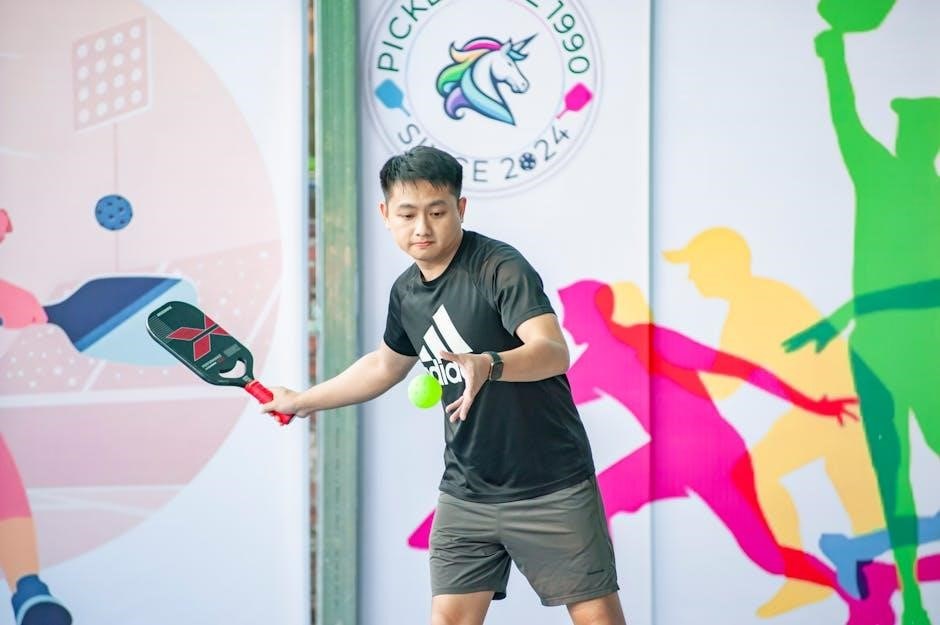
Even-Balance Paddles
Even-balance pickleball paddles distribute weight relatively equally throughout the paddle’s head and handle. This balanced design offers a versatile playing experience, blending a moderate degree of power with enhanced control and maneuverability. They are considered an excellent choice for all-around players who appreciate adaptability on the court.
These paddles allow for quicker swings and easier transitions between offensive and defensive shots. The balanced weight distribution promotes a comfortable feel and reduces strain on the arm, making them suitable for extended play sessions. Players can generate sufficient power without sacrificing precision or responsiveness.
Even-balance paddles are often recommended for intermediate players developing their skills and seeking a paddle that supports a well-rounded game.
Handle-Heavy Paddles
Handle-heavy pickleball paddles concentrate more weight towards the grip, resulting in increased maneuverability and quicker hand speed. This design is favored by players prioritizing control, dinking, and net play, as it allows for precise paddle movements and soft touches. However, generating significant power can require more effort.
The increased weight in the handle enhances stability during delicate shots and provides a more connected feel to the paddle. Players can react swiftly to incoming balls and execute precise placements with greater ease. These paddles often suit defensive players or those focusing on strategic shot-making.
While power may be slightly diminished, the enhanced control offered by handle-heavy paddles can be a significant advantage for players with refined technique.

Maintenance and Weight Changes
Paddle weight can subtly shift due to humidity and regular use; proper storage and care are crucial to maintaining consistent performance and longevity.
Impact of Humidity on Paddle Weight
Humidity significantly impacts pickleball paddle weight, as many paddle materials, particularly those utilizing composite cores, are porous and absorb moisture from the air. This absorption leads to a temporary increase in paddle weight, subtly altering its feel and swing characteristics.
The extent of weight gain depends on the material composition and the level of humidity. Polypropylene cores are more susceptible to moisture absorption than Nomex or aluminum cores. Players may notice a slightly heavier feel during humid conditions, potentially affecting swing speed and maneuverability.
To mitigate this, storing paddles in a cool, dry environment is essential. Using desiccant packs within the paddle bag can help absorb excess moisture, preserving the paddle’s original weight and performance. Regularly drying the paddle after play is also recommended.
Potential Weight Changes Over Time
Pickleball paddles, despite being seemingly static, can experience subtle weight changes over their lifespan due to material degradation and wear. Repeated impacts during gameplay can cause microscopic fracturing within the core and surface materials, leading to a gradual loss of material and, consequently, weight.
Furthermore, the adhesives used in paddle construction can degrade over time, potentially causing delamination and minor weight fluctuations. Exposure to UV rays and extreme temperatures can accelerate this process.
While these weight changes are typically minimal and may not be immediately noticeable, consistent play over extended periods can contribute to a measurable difference. Regular inspection for cracks or delamination can help monitor the paddle’s condition and potential weight loss.
Proper Paddle Storage
Proper paddle storage is crucial for maintaining its integrity and minimizing potential weight-altering degradation. Avoid storing paddles in direct sunlight or excessively hot environments, like car trunks, as heat can compromise the core materials and adhesives.
Humidity can also be detrimental; prolonged exposure can cause the core to absorb moisture, temporarily increasing weight and potentially leading to warping or delamination. Store paddles in a cool, dry place with consistent temperature.
A paddle cover is highly recommended to protect against scratches, impacts, and environmental factors. Avoid stacking heavy objects on top of paddles, as this can cause deformation and affect performance.