Horse Blanket Sizing Guide ‒ An Overview
Ensuring a proper fit is crucial for your horse’s comfort and protection; blankets come in various types and sizes, requiring careful measurement.
Understanding increments, brand variations, and sizing systems—Euro versus standard—is key to finding the perfect blanket.
Consider weather conditions and your horse’s individual needs when selecting a blanket, always prioritizing a secure yet comfortable fit.
Understanding Blanket Measurements
Horse blankets are traditionally measured from the center of the chest to the base of the tail, determining the “body length” – a fundamental measurement for sizing.
Most blankets utilize 3-inch increments (72, 75, 78 inches, etc.), offering a range of sizes to accommodate different horse builds. However, it’s vital to recognize that these measurements aren’t absolute; variations exist between brands.
Blanket sizing isn’t solely about length; factors like the horse’s conformation, breed, and whether they are clipped significantly influence the ideal fit. A blanket that’s too small restricts movement, while one that’s too large poses a tripping hazard.
Therefore, understanding these measurements is the first step towards ensuring your horse remains comfortable and protected throughout the seasons.

Measuring Your Horse for a Blanket
Accurate measurements are essential for a comfortable fit; start at the center of the chest and extend the tape to the tail base.
Having an assistant simplifies the process, ensuring a straight and precise body length measurement for optimal blanket sizing.
Key Measurement: Body Length
Body length is the primary measurement for determining blanket size, extending from the center of the chest, along the horse’s barrel, to the base of the tail.
To obtain an accurate reading, position the measuring tape at the shoulder point, where the chest is widest, and run it straight back along the horse’s side.
Ensure the tape remains level and doesn’t dip or rise with the horse’s musculature; a slight tension is acceptable, but avoid pulling it too tightly.

Record the measurement in inches, as most blanket sizes are presented in this unit; this length directly corresponds to the blanket’s overall coverage.
Remember to round up to the nearest increment if your horse’s measurement falls between standard sizes, prioritizing a slightly larger fit for comfort and freedom of movement.
Precise body length measurement is the foundation for selecting a blanket that provides adequate coverage without restricting the horse’s natural gait.
Locating the Center of the Chest
Identifying the center of the chest is the crucial starting point for accurate blanket measurement; it’s where the front of the blanket will sit.
Begin by standing on the horse’s left side, facing its rear, and locate the point where the shoulder blades meet the chest.
This is generally the lowest point of the withers, but can vary depending on the horse’s conformation; feel for the bony prominence.
Imagine a line extending straight down from this point – that’s the center of the chest, your measurement origin.
Ensure you’re not measuring from the highest point of the withers, as this will result in a too-short blanket length.
Accurate chest center location is paramount for a properly fitting blanket, preventing rubbing and ensuring comfortable shoulder movement.
Running the Measuring Tape
Once you’ve located the center of the chest, carefully position the measuring tape at that point, extending it back towards the tail.
Run the tape along the horse’s barrel, following the curve of its body, not directly over the spine, to ensure a natural fit.
Continue the tape until it reaches the point where the blanket should end – typically a few inches beyond where the saddle sits.
Maintain a snug, but not tight, tension on the tape; avoid pulling it too tightly or letting it sag, as this will skew the results.
Record the measurement in inches, and it’s helpful to have an assistant to ensure accuracy and stability during the process.
Double-check your measurement to confirm its precision, as this is the foundation for selecting the correct blanket size.
Standard Blanket Sizing Increments
Generally, horse blankets are available in 3-inch increments, like 72, 75, and 78 inches, offering a range of fits for various horse sizes.
When a horse measures between increments, it’s often recommended to size up for optimal comfort and coverage.
Common Increments: 3-Inch Steps
The most prevalent sizing system for horse blankets utilizes 3-inch increments, providing a relatively standardized approach to finding a suitable fit. This means blankets typically come in sizes such as 69, 72, 75, 78, 81, and 84 inches, allowing for adjustments based on the horse’s body length.
This incremental system simplifies the selection process, as it offers a wider range of options compared to larger jumps in sizing. However, it’s crucial to remember that these are general guidelines, and variations can occur between brands.
Therefore, always consult the specific sizing chart provided by the blanket manufacturer for the most accurate measurements. Understanding these 3-inch steps is fundamental to ensuring your horse receives a comfortable and well-fitting blanket.
Sizing Up When Between Sizes
When your horse’s body length falls directly between two blanket sizes, the general recommendation is to size up to the larger increment. This ensures the blanket doesn’t become too tight, restricting movement or causing discomfort. A slightly larger blanket allows for greater freedom of motion, particularly during turnout.
A snug fit is desirable, but it should never compromise the horse’s ability to move comfortably. Choosing the larger size also accommodates potential weight gain or the addition of layers underneath the blanket during colder weather.
Prioritizing comfort and avoiding constriction are paramount; erring on the side of a slightly looser fit is preferable to a blanket that is too restrictive.
Blanket Size Charts by Height
Charts correlate horse height with appropriate blanket sizes, offering a starting point for selection. Pony, standard breed, and draft horse sizes differ significantly, requiring specific charts.
Always cross-reference height with body length measurements for the most accurate fit.
Pony Blanket Sizes
Pony blanket sizing typically ranges from 48 inches up to 64 inches, catering to the smaller equine companions. Determining the correct size for your pony requires accurate measurement, as variations exist even within pony breeds. Generally, ponies under 14.2 hands (58 inches) will fall within this range.
However, it’s crucial to measure body length from the center of the chest to the tailhead, as height alone isn’t always definitive. Blankets for ponies often have shorter lengths compared to those for full-sized horses. Consider a 60-inch blanket for ponies around 13.2 to 14 hands, and a 64-inch blanket for larger ponies approaching 14.2 hands. Always prioritize a comfortable fit, allowing for movement without being too loose or restrictive.
Remember to check brand-specific sizing charts, as slight differences can occur.
Horse Blanket Sizes (Standard Breed)
For standard breed horses, typically ranging from 14.2 to 16 hands (58 to 64 inches), blanket sizes generally fall between 72 and 84 inches. A horse measuring 15 hands (60 inches) often requires a 75-inch blanket, but accurate body length measurement is paramount. Most blankets increase in 3-inch increments, offering a range of options for a precise fit.
If your horse measures between sizes, it’s generally recommended to size up to ensure adequate coverage and freedom of movement. Horses around 16 hands may need an 81 or 84-inch blanket, depending on their build and body length. Always consider the type of blanket – turnout, stable, or fly sheet – as fit requirements can vary. Consult brand-specific charts for the most accurate sizing.
Prioritize comfort and prevent rubbing.
Large Horse/Draft Blanket Sizes
Draft horses and larger breeds, exceeding 16 hands (64 inches), necessitate significantly larger blankets, typically ranging from 84 to 90 inches or even larger for exceptionally tall individuals. These blankets are designed to provide full coverage for their substantial frames, preventing any exposed areas during inclement weather. Accurate body length measurement is even more critical for these breeds, as a poorly fitting blanket can cause discomfort and impede movement.
When selecting a blanket for a draft horse, always refer to the manufacturer’s sizing chart, as variations exist between brands. Consider the horse’s build – a wider or more muscular draft may require a wider blanket. Sizing up is often recommended if the measurement falls between increments, ensuring complete coverage. Proper fit is essential to avoid rubbing and maintain the horse’s well-being.
Ensure a comfortable and secure fit.
Different Blanket Types & Sizing Considerations
Turnout, stable, fly, and rain sheets vary in material and fit; sizing may differ based on intended use and desired coverage for your equine companion.
Turnout Blankets
Turnout blankets are designed for 24/7 outdoor use, offering waterproof and breathable protection against the elements; Sizing is particularly important for these blankets, as a poor fit can lead to rubbing, shifting, and reduced effectiveness.
Ensure the blanket extends far enough forward to prevent water from entering under the chest, and long enough in the rear to cover the hindquarters adequately. Consider the horse’s build; some may require a wider cut to accommodate broader shoulders.
Most turnout blankets are sized in 3-inch increments, and if your horse measures between sizes, it’s generally recommended to size up for a comfortable and secure fit, allowing for movement without restriction. Proper fit prevents chilling and maintains the blanket’s integrity during use.
Stable Blankets
Stable blankets, used indoors, prioritize warmth and comfort without the need for waterproof features. Sizing for stable blankets is similar to turnout blankets, but a slightly snugger fit is often acceptable, as there’s less risk of shifting during movement.
However, avoid a fit that’s overly tight, restricting the horse’s breathing or range of motion. Check the shoulder fit carefully to prevent rubbing, and ensure the blanket doesn’t pull forward when the horse lowers its head to eat.
Like turnout blankets, stable blankets typically come in 3-inch increments; rounding up is advisable if your horse’s measurement falls between sizes, providing extra warmth and preventing gaps. A well-fitted stable blanket keeps your horse cozy and comfortable throughout the night.
Fly Sheets & Rain Sheets
Fly sheets and rain sheets, designed for lighter protection, generally follow standard blanket sizing guidelines, but a proper fit is still crucial for effectiveness. These blankets should allow for full range of motion, preventing chafing or restriction during grazing and movement.
Ensure the sheet extends far enough back to cover the horse’s hindquarters, protecting against insect bites or rainfall. Pay close attention to the chest and shoulder fit, as these areas are prone to rubbing.
Similar to other blanket types, sizing increments are typically 3-inches; if your horse measures between sizes, consider sizing up for optimal coverage and comfort. A well-fitted fly or rain sheet provides essential protection without hindering the horse’s natural behavior.

Brand-Specific Sizing Variations
Different manufacturers, like WeatherBeeta and Mayatex, may have unique sizing charts; always consult their specific guidelines for the most accurate blanket fit.
Cross-referencing measurements with brand charts ensures optimal comfort and prevents incorrect sizing.
WeatherBeeta Sizing
WeatherBeeta blankets are renowned for their quality and fit, but understanding their sizing system is essential. Generally, WeatherBeeta blankets are sized in 3-inch increments, offering a range to accommodate various horse builds. If your horse’s body length measurement falls between two sizes, it’s always recommended to choose the larger size to ensure a comfortable and unrestricted fit.
Measurements are taken from the center of the chest to the base of the tail, along the horse’s barrel. WeatherBeeta utilizes both feet and inches in their sizing charts, and they also provide equivalent centimeter measurements for those familiar with the Euro sizing system. Referencing their specific size chart, considering both the back seam (A) and body length (B) measurements, will guarantee the best possible fit for your equine companion, maximizing comfort and protection.
Mayatex Blanket Sizing
Mayatex blankets are known for their durability and traditional fit, often favored for stable use. Ideally, a Mayatex blanket should be slightly larger than the saddle, providing ample coverage and protection for the horse’s body. However, avoiding excessive looseness is crucial to prevent shifting and potential rubbing. Careful measurement is paramount when selecting a Mayatex blanket.
Consulting Mayatex’s specific sizing charts is highly recommended, as slight variations can exist. Cross-referencing your horse’s body length measurement with their guidelines ensures the most accurate fit. Remember to consider the horse’s build and any layering of under blankets when determining the appropriate size. A well-fitted Mayatex blanket will allow for comfortable movement and effective warmth.

Euro vs. Standard Sizing
Euro sizing measures in centimeters, while standard uses feet and inches; conversion is essential for accurate fit. Understanding these differences prevents incorrect blanket purchases.
Accurate conversion ensures optimal comfort and prevents rubbing or gaps, crucial for your horse’s well-being.
Converting Between Systems
Converting between Euro and standard blanket sizing requires a simple calculation, but accuracy is paramount for a comfortable fit. Generally, one inch equates to 2.54 centimeters. To convert from inches to centimeters, multiply the inch measurement by 2.54. Conversely, to convert from centimeters to inches, divide the centimeter measurement by 2.54.
For example, a 75-inch blanket would be 190.5 centimeters (75 x 2.54). A 190-centimeter blanket would be approximately 74.8 inches (190 / 2.54). Always double-check your calculations, as even a small error can impact the blanket’s fit. Many online resources and conversion tools are available to assist with this process, ensuring a precise conversion.
Remember to round to the nearest whole number for practical sizing; Utilizing these conversions allows you to confidently purchase blankets from brands using different sizing systems, guaranteeing a proper and secure fit for your horse.
Blanket Fit: Key Areas to Check
Assess the shoulder, chest, and rear for proper fit; ensure freedom of movement and prevent rubbing. Check the tail cord’s security and adjust surcingles accordingly.
Shoulder Fit
The shoulder is a critical area for blanket fit, as restriction here can cause significant discomfort and even pressure sores. A properly fitted blanket should allow for a full range of motion without binding or pinching at the withers or shoulder blades. Look for a blanket design that features shoulder gussets or a V-front closure, as these features provide extra room and prevent rubbing;
Ensure the blanket doesn’t sit on the withers, but rather slightly ahead of them. Observe your horse while it moves; the blanket should move with the shoulder, not against it. If you notice any wrinkles or tightness in the shoulder area, the blanket is likely too small or poorly shaped and needs adjustment or replacement. A good fit promotes comfort and prevents chafing during movement.
Chest Fit
The chest fit of a horse blanket is paramount for security and preventing rubbing. Ideally, the blanket should fasten comfortably without being overly tight, restricting breathing, or causing chafing. Check that the chest straps (surcingles) allow for 2-3 fingers width between the straps and the horse’s chest. Too loose, and the blanket risks slipping back; too tight, and it can cause discomfort and sores.
Pay attention to the center chest piece; it should sit smoothly and not dig into the sternum. Ensure the blanket doesn’t create any pressure points on the chest. Adjust the surcingles to achieve a snug, but not restrictive, fit, allowing for natural movement and breathing. Proper chest fit ensures the blanket stays in place during turnout.
Rear Fit & Tail Cord
The rear fit is crucial for preventing blanket rub and ensuring freedom of movement. Observe the blanket’s position over the hindquarters; it should sit smoothly without pulling or bunching. Ensure adequate coverage of the rump, but avoid extending too far down the thighs, which can cause chafing. The tail cord or tail flap is vital for keeping the blanket securely in place.
Adjust the tail cord to allow for a few inches of slack, preventing it from cutting into the tailbone. A properly adjusted tail cord allows for tail swishing without dislodging the blanket. Check for any areas where the blanket might rub against the tail; a tail guard can offer extra protection. Regularly inspect for any signs of irritation;
Adjusting Blanket Fit
Surcingles and straps are essential for a secure fit, preventing shifting; adjust them to allow comfortable movement without being overly tight or loose.
Tail flaps should have appropriate slack, ensuring the blanket stays positioned correctly while allowing natural tail function.
Surcingles and Straps
Surcingles, the straps running under the horse’s belly, are vital for keeping the blanket securely in place, preventing it from sliding sideways or lifting up. Proper adjustment is key; they shouldn’t be so tight as to restrict breathing or cause discomfort, nor so loose that the blanket can shift excessively.
Typically, you should be able to slide a hand comfortably between the surcingle and the horse’s body. Front closures, often featuring buckles or Velcro, also play a role in maintaining a snug fit across the chest. Ensure these are adjusted to prevent rubbing or pressure points. Regularly check all straps for wear and tear, replacing them as needed to maintain blanket security.
Remember, a well-fitted blanket with correctly adjusted surcingles and straps allows your horse to move freely and comfortably while remaining adequately protected from the elements.
Tail Flaps
Tail flaps, extending from the rear of the blanket, serve to protect the horse’s tail from rubbing and chafing against the blanket material. Proper length is crucial; a flap that’s too short won’t provide adequate protection, while one that’s excessively long can become a tripping hazard or get caught on objects.
Ideally, the tail flap should reach approximately halfway down the tail bone, allowing for comfortable movement. Many blankets feature a tail cord, which secures the tail flap and prevents it from flapping excessively in the wind. Adjust the cord to allow for some give, preventing pressure sores or discomfort.
Consider the horse’s tail carriage and activity level when assessing tail flap fit. A horse with a naturally high tail set may require a slightly longer flap;
When to Re-Measure Your Horse
Regular re-measurement is vital, especially after significant weight changes or clipping. Growth in young horses and seasonal weight fluctuations necessitate adjustments for optimal blanket fit.
Weight Gain/Loss
Horses naturally experience weight fluctuations throughout the year, impacting blanket fit significantly. Weight gain will necessitate a larger blanket size to prevent rubbing and discomfort, while weight loss requires a smaller size to maintain a secure and proper fit. Regularly assess your horse’s body condition; a noticeable change warrants a remeasurement.
Consider that even moderate weight shifts can alter the body length measurement, the most critical factor in blanket sizing. Don’t assume a blanket that fit well in the spring will still fit correctly in the fall after summer grazing. Always prioritize comfort and freedom of movement; a poorly fitting blanket can cause sores and behavioral issues. Consistent monitoring and adjustments are essential for your horse’s well-being.
Clipping
Clipping your horse alters their natural insulation, directly impacting blanket needs and sizing. A fully clipped horse will require a heavier blanket than an unclipped horse, and potentially a larger size to accommodate the altered body shape. The removal of a thick winter coat effectively changes the horse’s overall dimensions.
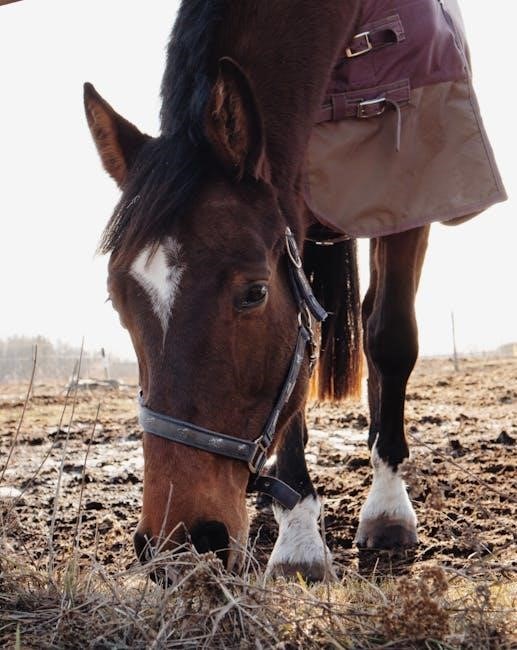
Therefore, remeasure after clipping, focusing on body length, as this is the primary determinant of blanket size. Consider the extent of the clip; a trace clip requires less adjustment than a full body clip. Ensure the blanket provides adequate warmth without causing overheating or rubbing. Regularly check for pressure points, especially over the shoulders, as clipped horses are more susceptible to discomfort.