Button sizing, traditionally measured in lignes, is crucial for garment aesthetics and functionality. A button size chart helps select appropriate sizes.
Understanding ligne measurements—like 10L, 12L, 14L, and 16L—is key to achieving a polished, professional finish in sewing projects.
Selecting the correct button size ensures proper buttonhole fit and overall garment balance, enhancing both appearance and usability.
Why Button Size Matters
Button size profoundly impacts a garment’s overall appearance and functionality. Incorrect sizing can lead to aesthetic imbalances, making a well-crafted piece look disproportionate or amateurish.
Functionally, the right button size ensures a secure closure, preventing gaping or strain on the buttonholes. A button size chart is essential for this. Too-small buttons may pull through, while oversized buttons can create unnecessary bulk;
Furthermore, button dimensions influence the ease of use. Consider how easily a button can be fastened and unfastened, especially for garments worn frequently. Proper sizing contributes to user comfort and convenience. Selecting the correct button size is a detail that elevates the quality of any sewing project.
Understanding Ligne Measurements
Ligne (L) is the traditional unit for measuring buttons, originating in France. One ligne equals approximately 2.115 millimeters. This system provides a standardized way to specify button dimensions, ensuring consistency across different manufacturers and projects.
Common button sizes include 10L (7mm), 12L (8mm), 14L (9mm), and 16L (10mm). A button size chart clearly illustrates these conversions. Understanding these measurements is vital for selecting buttons that appropriately scale with the fabric weight and garment style.
While millimeters and inches are also used, ligne remains prevalent in the sewing industry. Familiarizing yourself with this system allows for precise button selection, contributing to a professional and polished final product.
Standard Button Sizes and Their Uses
Standard button sizes, measured in lignes, cater to diverse applications. From delicate 10L for blouses to robust 16L for coats, selection matters!
10 Ligne Buttons
10 Ligne buttons, measuring approximately 7mm (or ¼ inch) in diameter, are exceptionally well-suited for lightweight fabrics and delicate garments. These smaller buttons are frequently found on women’s blouses, fine shirts, and children’s clothing where a subtle, refined appearance is desired.
Due to their size, 10L buttons are often used for decorative purposes, such as embellishing cuffs or adding a touch of detail to necklines. They pair beautifully with lightweight buttonholes and are ideal for projects where a minimalist aesthetic is preferred.
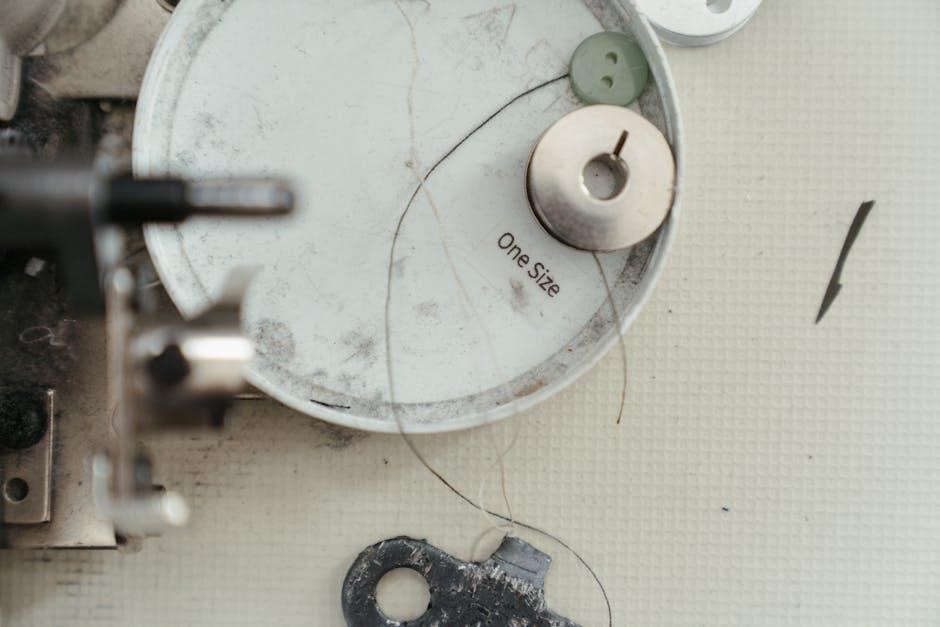
When selecting 10L buttons, consider the fabric weight; they are best suited for materials that won’t put excessive strain on the button or buttonhole. They offer a delicate finish and are a popular choice for sophisticated designs.
12 Ligne Buttons
12 Ligne buttons, approximately 8mm (or 5/16 inch) in diameter, represent a versatile middle ground in button sizing, making them suitable for a wide range of garments. They are commonly used on standard men’s and women’s shirts, lightweight jackets, and casual blouses.
This size offers a good balance between visual prominence and practicality, working well with medium-weight fabrics. 12L buttons are a popular choice for everyday wear due to their durability and ease of use. They are compatible with standard buttonhole sizes, simplifying the sewing process.
Consider 12L buttons when you need a reliable and aesthetically pleasing option that won’t overwhelm the garment’s design. They provide a classic look and are a staple in many sewing projects.
14 Ligne Buttons
14 Ligne buttons, measuring around 9mm (or 3/8 inch) in diameter, are a popular choice for garments requiring a slightly more substantial button presence. They strike an excellent balance between being noticeable and not overpowering the fabric or design.
Frequently used on dress shirts, lighter-weight suit jackets, and women’s blouses, 14L buttons offer a refined aesthetic. They work particularly well with medium to heavier-weight fabrics, providing a secure and visually appealing closure.
These buttons are versatile enough for both casual and more formal attire, offering a classic look. They pair well with standard buttonhole sizes, making them a convenient option for sewing projects.

16 Ligne Buttons
16 Ligne buttons, approximately 10mm (or slightly less than ½ inch) in diameter, represent a larger button size often favored for outerwear and garments needing a bolder visual element. They provide a more prominent closure and are well-suited for heavier fabrics.
Commonly found on coats, jackets, and more robust shirts, 16L buttons offer a secure and durable fastening solution. They are particularly effective when paired with thicker materials, ensuring a balanced proportion and a substantial feel.
These buttons lend themselves to a classic, somewhat more substantial aesthetic, making them ideal for garments where a noticeable button is desired. They are a reliable choice for projects demanding both style and functionality.
Button Size Charts & Conversions
Button size charts convert ligne measurements to millimeters and inches, aiding accurate selection. These conversions—10L to 7mm/¼ inch—simplify button sourcing.
Utilizing these charts ensures proper fit and aesthetic balance within your sewing and design projects.
Ligne to Millimeter Conversion
Converting from ligne to millimeters is essential for precise button selection, especially when working with metric patterns or needing to source buttons internationally. The ligne is a traditional unit, but millimeters offer greater clarity for many sewists.
Here’s a breakdown of common ligne sizes and their millimeter equivalents:
- 10 Ligne = 7 millimeters
- 12 Ligne = 8 millimeters
- 14 Ligne = 9 millimeters
- 16 Ligne = 10 millimeters
This conversion allows for accurate buttonhole creation and ensures a harmonious fit between the button and the garment fabric. Remember that slight variations can occur depending on the button manufacturer, so always double-check if precision is critical.
Using this chart simplifies the process of finding the perfect button size for your project.
Ligne to Inch Conversion
For sewists accustomed to imperial measurements, converting ligne to inches is vital for accurate button sizing. While millimeters are often more precise, understanding inch equivalents provides flexibility when sourcing buttons or interpreting older patterns.
Here’s a conversion guide for common ligne sizes to inches:
- 10 Ligne = ¼ inch
- 12 Ligne = 5/16 inch
- 14 Ligne = ⅜ inch
- 16 Ligne = 10/32 inch
These conversions facilitate seamless integration of buttons into projects designed using inch-based measurements. Keep in mind that these are approximate values, and slight discrepancies may exist. Always verify the actual button size when possible for optimal results.
A button size chart is a helpful tool.
Factors Influencing Button Size Choice
Button size selection depends on garment style, fabric weight, and buttonhole dimensions. Proportion and visual balance are also key considerations for a polished look.
Garment Type and Style
Garment type significantly impacts button size. Delicate blouses and dresses generally require smaller buttons, often 10L or 12L, for a refined appearance. Conversely, heavier coats and jackets necessitate larger, more substantial buttons – typically 14L to 16L – to complement the fabric weight and provide secure closure.
Shirt button sizes often fall within the 10L to 14L range, depending on the shirt’s formality and design. A classic button-down shirt might utilize 12L or 14L buttons, while a more casual shirt could employ 10L. The overall style—formal, casual, or trendy—should guide your button selection, ensuring harmony between the garment’s aesthetic and the chosen closures.
Consider the button placement and the number of buttons used; these factors also influence the appropriate size for optimal visual appeal.
Fabric Weight and Texture
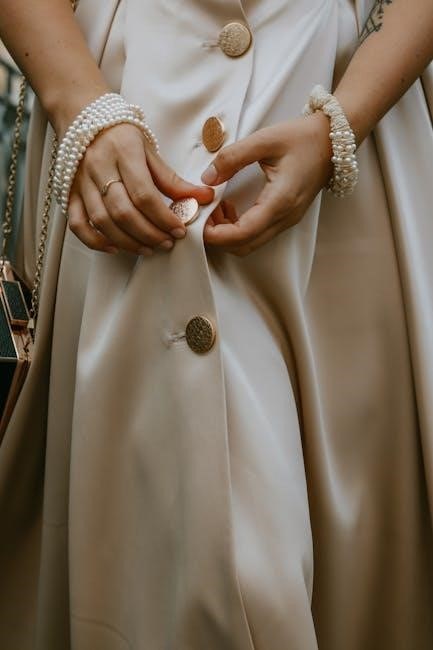
Fabric weight and texture are critical considerations when choosing button sizes. Lightweight fabrics, like voile or chiffon, pair best with smaller buttons – typically 10L or 12L – to avoid overwhelming the material. Heavier fabrics, such as denim or wool, demand larger, more robust buttons, generally 14L or 16L, to provide sufficient support and visual balance.
The texture of the fabric also plays a role. Smooth fabrics can accommodate a wider range of button sizes, while textured fabrics may benefit from buttons that complement or contrast with the fabric’s surface. A coarse fabric might pair well with a slightly larger, textured button, while a fine fabric might call for a smaller, smoother button.
Ensure the button’s size is proportionate to the fabric’s weight and texture for a cohesive look.
Buttonhole Size Considerations
Buttonhole size is intrinsically linked to button size selection. A properly fitted buttonhole ensures secure closure and prevents strain on the fabric. The button should pass through the buttonhole with slight resistance, not too tightly or loosely.
Generally, the buttonhole should be approximately 1/8 inch (3mm) larger than the button diameter. For example, a 10L button (7mm) requires an approximately 10mm buttonhole. Always test the fit before creating all buttonholes, especially with delicate fabrics.
Consider the buttonhole style – a tailored buttonhole requires more precision than a simple, machine-made one. Accurate buttonhole sizing is crucial for garment longevity and a professional finish.
Button Size for Specific Garments
Garment type dictates button size; shirts use smaller buttons (10-14L), while coats and jackets require larger, more substantial buttons (16L+).
Dress and blouse button sizes vary based on style, ranging from delicate 10L to classic 14L options.
Shirt Button Sizes
Shirt buttons generally require smaller ligne sizes to maintain a proportionate and functional appearance. Typically, shirts utilize 10L or 12L buttons for the front placket, offering a delicate yet secure closure.
Cuff buttons often mirror this size, ensuring they don’t overwhelm the wrist area. For dress shirts, a refined look is achieved with 10mm or 11mm buttons (approximately 15L/16L).
Casual shirts can accommodate slightly larger sizes, up to 14L, depending on the fabric weight and overall style. Buttonhole size is critical; ensure the button comfortably fits without being overly loose or tight. Consider the shirt’s design – a bolder pattern might benefit from slightly larger buttons for visual balance.
Proper sizing enhances both the aesthetic and usability of the shirt.
Coat and Jacket Button Sizes
Coat and jacket buttons demand larger ligne sizes compared to shirts, reflecting their heavier fabrics and need for a more substantial closure. Commonly, jackets utilize 14L to 16L buttons, providing both durability and visual impact.
Overcoats often feature even larger sizes, sometimes reaching 18L or beyond, particularly on heavier wool fabrics. The number of buttons influences size; a single-breasted coat may use larger buttons than a double-breasted one.
Consider the jacket’s style – a tailored blazer benefits from more refined 14mm (approximately 14L) buttons, while a rugged work jacket can handle 16mm or larger. Ensure buttonholes are appropriately sized to accommodate the chosen button without strain.
Proportion is key for a balanced aesthetic.
Dress and Blouse Button Sizes
Dress and blouse buttons generally require smaller ligne sizes than coats, reflecting the lighter fabrics and more delicate designs. A common range is 10L to 14L, depending on the garment’s style and fabric weight.
Delicate blouses often benefit from smaller 10L or 12L buttons, creating a subtle and refined look. Dresses can accommodate a wider range; a lightweight summer dress might use 12L, while a more structured dress could use 14L.
Button placement also influences size; closely spaced buttons may require smaller sizes to avoid a cluttered appearance. Consider the buttonhole size – it should comfortably accommodate the button without being overly tight.
Prioritize proportion and visual balance for a polished finish.
Finding the Right Button Size
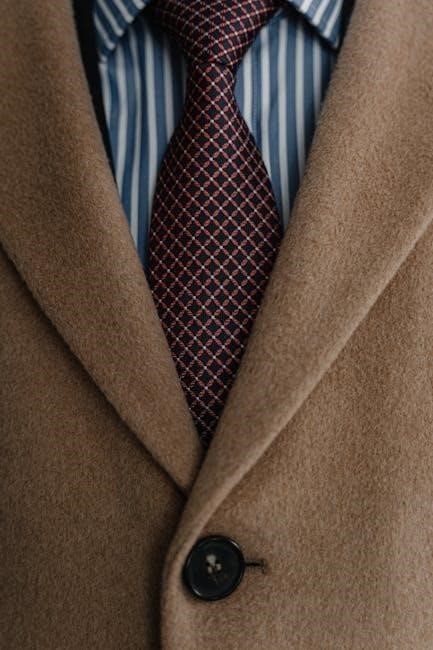
Button size guides and measuring existing buttons are essential for accurate selection. Button size charts offer conversions, ensuring a perfect fit for your project.
Using Button Size Guides
Button size guides are invaluable tools for sewists, offering a quick reference to standard button measurements in lignes, millimeters, and inches. These charts, readily available online and in fabric stores, simplify the selection process, especially for beginners.
When utilizing a button size chart, consider the garment’s style and fabric weight. A lightweight fabric typically pairs well with smaller buttons (10L-12L), while heavier materials benefit from larger sizes (14L-16L).
Remember that these guides provide general recommendations; always test the button with the fabric and buttonhole before committing to a large quantity. Printed charts, scaled to size, allow for visual comparison and accurate assessment.
Referencing multiple guides can also provide a broader perspective and help you make the most informed decision for your sewing project.
Measuring Existing Buttons
Measuring existing buttons is a practical method for ensuring a consistent look when replacing lost or damaged buttons on a garment. Use a ruler with millimeter markings for precise measurements, as ligne sizes correlate directly with diameter in millimeters.
Lay the button flat and measure across its widest point; Compare this measurement to a button size chart to determine the corresponding ligne size. If the measurement falls between sizes, opt for the larger size to ensure a proper fit through the buttonhole.
Alternatively, a button gauge tool provides a quick and accurate way to identify button sizes. This method is particularly useful when dealing with a variety of buttons.
Accurate measurement guarantees a seamless replacement and maintains the garment’s original aesthetic.
Advanced Button Sizing Tips
Consider button spacing and proportion for visual balance. Larger garments often require larger buttons, while delicate fabrics suit smaller sizes.
Strategic button placement enhances a garment’s overall aesthetic appeal and functionality.
Considering Button Spacing
Button spacing significantly impacts a garment’s appearance and functionality. Consistent spacing creates a polished look, while uneven spacing appears sloppy. Generally, the space between buttons should be approximately 55-75% of the button’s diameter.
For example, with 10L buttons (7mm), spacing should be around 4-5mm. Larger buttons naturally require more space. Consider the fabric’s weight; heavier fabrics can support wider spacing.
Proper spacing prevents strain on the buttonholes and ensures the garment lays correctly. Too little space can cause puckering, while too much can make the garment feel insecure. Careful attention to button placement and consistent intervals elevates the overall quality of your sewing projects.
Proportion and Visual Balance
Button size must harmonize with the garment’s scale and design. Large buttons on delicate fabrics or small garments appear overwhelming, while tiny buttons get lost on bulky outerwear. Achieving visual balance is key.
Consider the garment’s overall aesthetic – a minimalist design benefits from understated buttons, whereas a bolder style can handle more prominent ones. The button’s diameter should relate to the width of the buttonhole and the garment’s features.
A good rule of thumb is to ensure the buttons complement, not compete with, the garment’s design. Thoughtful button selection enhances the overall look, creating a cohesive and aesthetically pleasing final product.